Science
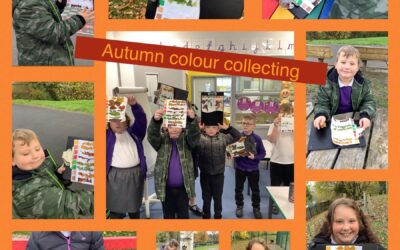
Autumn Colour Hunt!
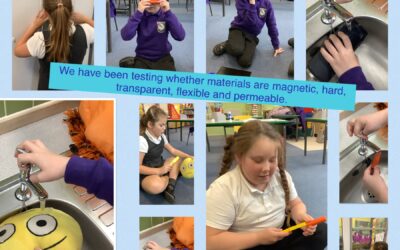
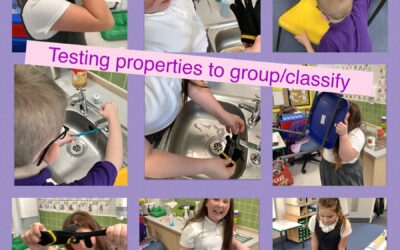
Which materials are magnetic, hard, transparent, flexible and permeable?
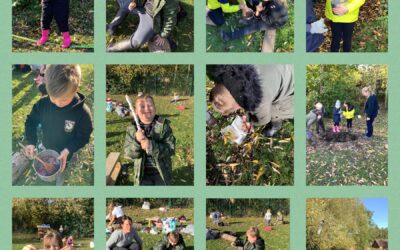
Fabulous fun in forest school!
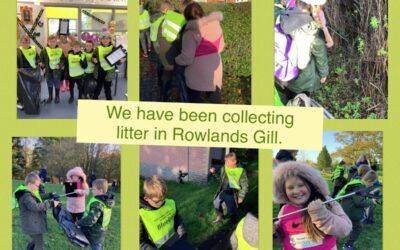
Cleaning up our village!
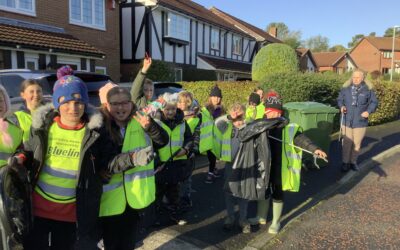
Does Rowlands Gill have less litter than our school?
In Science, we have been asking questions. We set up a comparative test to check whether our surrounding areas had more litter than our school. The children chose three areas inside the school and three areas outside of school. They completed and tally chart survey...
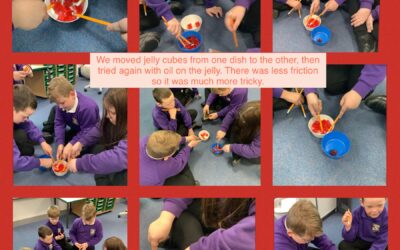
A wibbly wobbly experiment
As part of our forces topic in science this term, we investigated friction, using oil and jelly cubes. Each group was given pieces of jelly and they had to transfer them from one dish to another using chop sticks. After we covered the jelly in oil, we had to repeat...
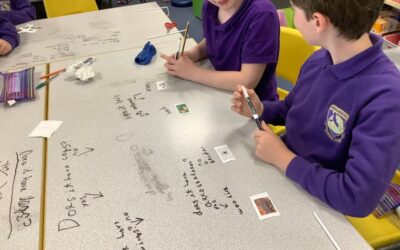
Identifying Invertebrates using a dichotomous key
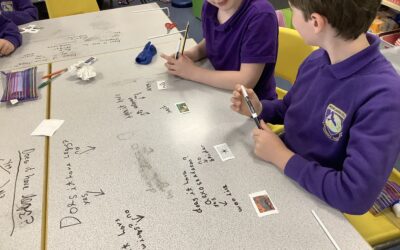
3M Having a good sort out…
The children created dichotomous keys to identify invertebrates in their science lesson today. They used Yes and no questions to sort the invertebrates. They then used their keys to identify the invertebrates. No tables were harmed during this science lesson.