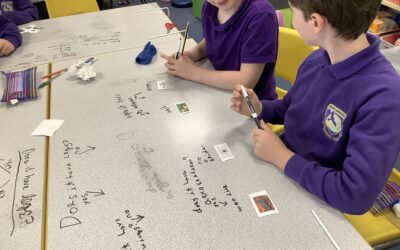
The children created dichotomous keys to identify invertebrates in their science lesson today. They used Yes and no questions to sort the invertebrates. They then used their keys to identify the invertebrates. No tables were harmed during this science lesson.
Science
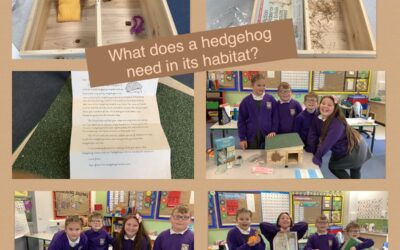
What does a hedgehog need to survive in its habitat?
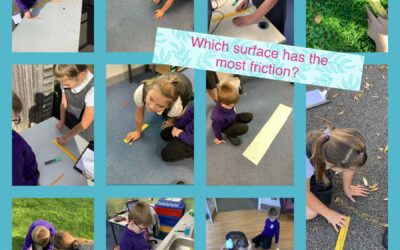
Which surface has the most/least friction?
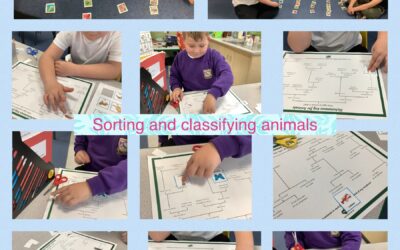
Sorting and classifying animals
We are Scientists!
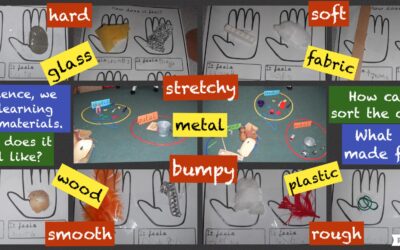
Take a look at our scientific work to sort and describe the different properties of materials.
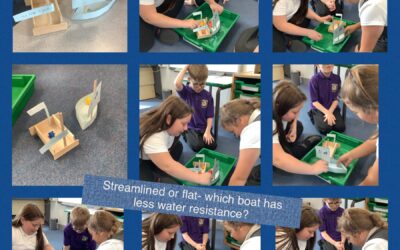
Boat building experiment- streamlined or flat- which boat has less water resistance?
This afternoon, in year 5 science, we were learning about the force of water resistance. We learned that streamlined boats have less water resistance than flat boats, meaning they travel faster, so we thought we'd test this out. We had to think carefully about how to...
Minibeasts, Microscopes and Magnifying glasses
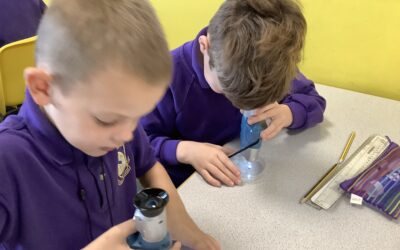
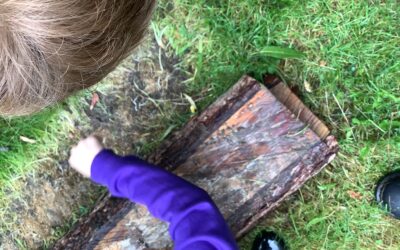
Today we were invertebrate hunting again. The children collected invertebrates in petri dishes to find finer details to classify the invertebrate. I think they really enjoyed it because I heard comments like, " This is so cool" and " I love this" which is music to my...
Which materials could be used to make an umbrella?
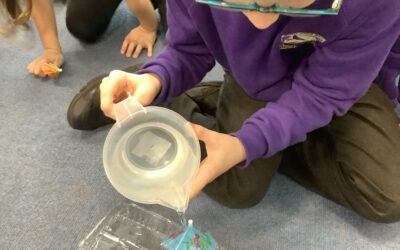
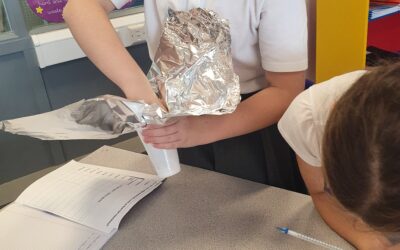
This week in Science, we have been thinking about suitable materials that could be used to make an umbrella. Children thought the materials would need to be waterproof and strong to keep you dry from the rain. We looked at paper umbrellas and discussed what might...
Science Nests
We had a very important job to do this week... keep ice frozen for as long as possible! We tested different insulators to see which was the best at maintaining the temperature. We found that shredded paper was the best insulator.
Which invertebrates can I find on the school grounds?
4B have been exploring living things and their habitats. We wanted to find out what invertebrates we could find living around the school grounds. We decided to keep a tally of what we found.